Colchester United: Three Takeover Failures in 12 Months — A League Two Club That Can’t Be Sold
Three failed takeovers in one year. Two Brazilian legends, one Chelsea captain, and a club that somehow remains unsold. If this were a board game, it would be called “How to Keep League Two Boring Forever.”
Colchester United’s latest chapter of ownership uncertainty came to a close on 11 June 2026, when a consortium including former Chelsea and England defender John Terry collapsed at an advanced stage of negotiations. The club confirmed the deal would not proceed, leaving owner Robbie Cowling still at the helm as the U’s prepare for their 11th consecutive season in League Two.
The Terry Consortium
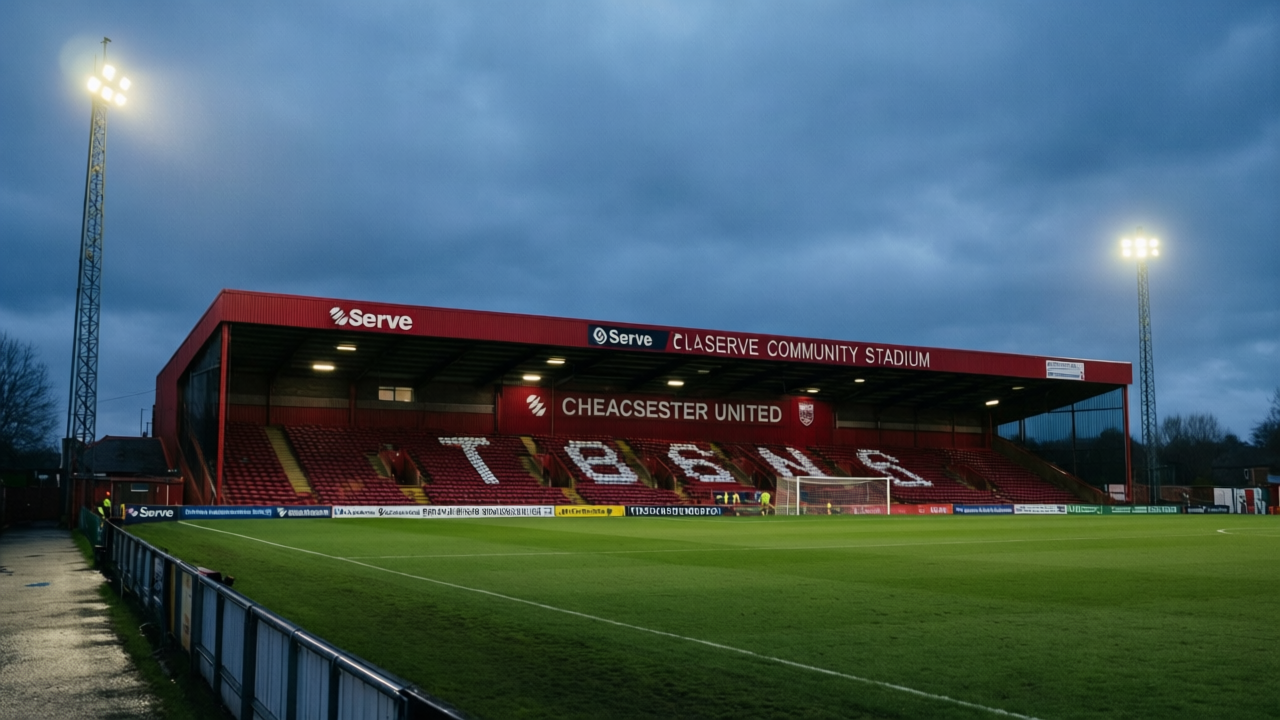
The Sun reported the Terry group had offered £14 million for the club. Terry was spotted in the stands at the JobServe Community Stadium in April, watching Colchester beat Accrington Stanley 2-1. The club confirmed on 11 June that “discussions regarding the potential acquisition of the club have concluded” and that both sides “invested considerable time and effort into exploring the opportunity.”
Terry’s involvement wasn’t a vanity project — he had spent the previous months in due diligence, and head coach Danny Cowley confirmed he “spent a lot of time with the prospective new owners because we potentially anticipated the takeover to happen.”
The Pattern: Takeover Fatigue
This isn’t the first time, or even the second:
- June 2025: Talks with US-based Lightwell Sports Group fell through at an advanced stage.
- February 2026: An investment group including former AC Milan and Brazil forward Alexandre Pato withdrew from discussions.
- June 2026: The John Terry consortium collapsed after extended due diligence.
Three different buyers, three different nationalities, three different failures. Across a 12-month period, Colchester United has become something of a footballing curiosity — a club that attracts interest from genuinely wealthy individuals but somehow can’t close a deal.
Cowley’s Response: “In Every Challenge Comes Opportunity”
Speaking to BBC Radio Essex on 6 July, Cowley was measured: “We definitely have a big challenge ahead of us in terms of recruitment and trying to get a squad together but in every challenge comes opportunity.”
He noted the club has entered pre-season with three signings — defenders Jake Leake and Sean Raggett, plus a new deal for Ellis Iandolo — but has already lost midfielder Arthur Read to newly-promoted York City after a standout season. “We are still quite skinny in terms of the group,” he admitted.
The striker position has been bolstered by the season-long loan signing of Bradley Ihionvien from Peterborough United, with Colchester holding an option to match any future bid from his parent club. A neat example of League Two pragmatism.
The Deeper Problem
The real story here isn’t the failed takeovers — it’s the structural challenge of owning a League Two club in 2026. Cowling himself admitted in 2025 that the club needed an owner with “deeper pockets,” yet three successive buyers have walked away after due diligence. That suggests the financial model of a League Two club — revenues of roughly £5-8 million annually, with stadium operations, academy costs, and wage bills eating most of it — simply doesn’t justify the £14m+ asking price for anyone doing their homework.
Cowley’s quotes are the model of professionalism: “We understand how much this football club means to so many people and it’s just to stay really committed and really focused.” But behind the PR language lies a genuine dilemma — how do you build a competitive squad when you don’t know if you’ll have the same owner in September that you have in August?
The Optimistic Take
There’s something quietly admirable about a club that can survive three failed takeovers without falling apart. The academy, which Cowley called “brilliant,” has been feeding 10 young players into first-team training. The fans haven’t rioted. The manager hasn’t bolted. The club continues to function, week by week, season by season, in the fourth tier of English football where the glamour of the Premier League is a different universe.
Colchester United’s story in 2026 isn’t about dramatic exits or heroic comebacks. It’s about persistence — a club that keeps turning up, season after season, while the ownership question hangs over it like a fog over the JobServe Community Stadium.
Somewhere, Terry is watching the Champions League. Cowley is watching young players train on a Tuesday morning in July. And the U’s are still up for sale.
Sources: BBC Sport (6 July 2026), Eastern Daily Press Gazette (14 July 2026), BBC Sport (11 June 2026)