Eurovision 2026: Look Mum No Computer Scores a Single Point as the UK’s Streak of Misery Continues
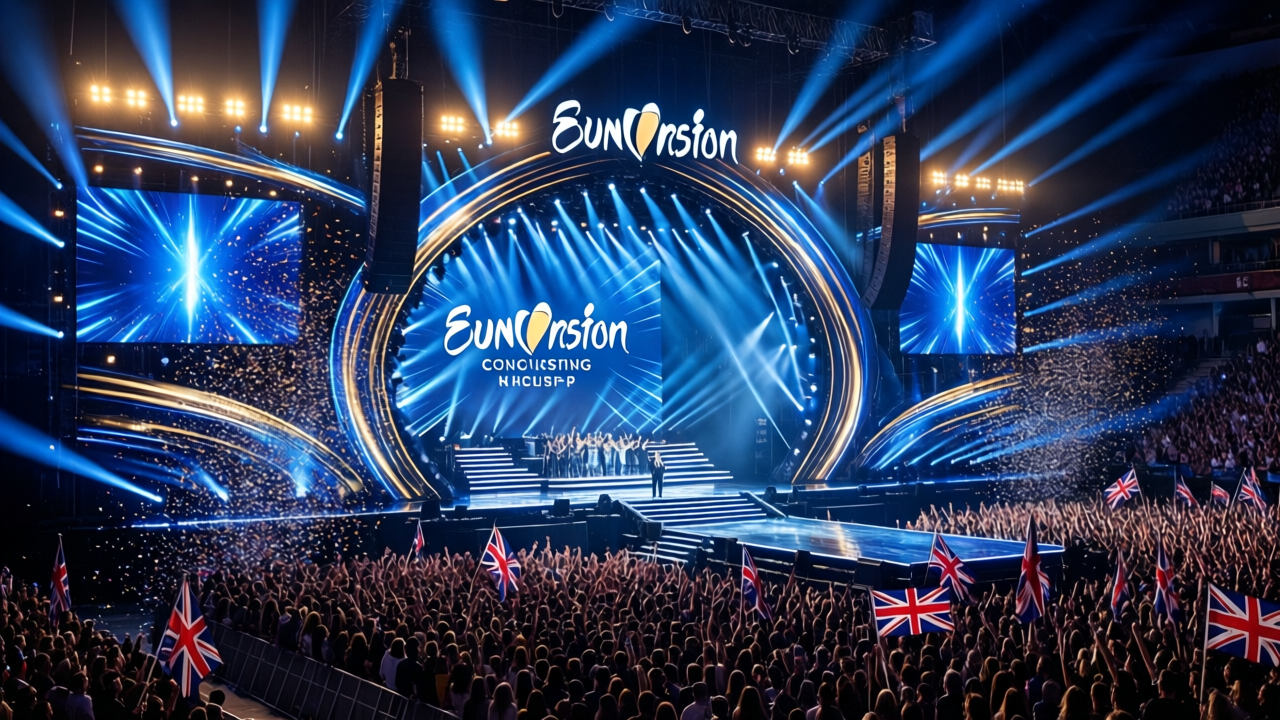
The United Kingdom has finished last at Eurovision 2026 with a single point — Look Mum No Computer’s “Eins, Zwei, Drei” ended up in 25th place out of 26 countries. That marks the sixth time in the competition’s history that the UK has finished last, and the seventh time the nation has landed on the wrong side of the leaderboard since 2003.
For a contest that the UK has won five times — Sandie Shaw in 1967, Lulu in 1969, Brotherhood of Man in 1976, Bucks Fizz in 1981, and Katrina & the Waves in 1997 — the contrast between past glory and recent output is almost painful to examine.
A recent history of misery
Look at the UK’s last ten Eurovision outings and you’ll see a pattern that any football manager would be sacked for:
- 2026: Look Mum No Computer — “Eins, Zwei, Drei” — 25th (last), 1 point
- 2025: Remember Monday — “What The Hell Just Happened?” — 19th, 88 points
- 2024: Olly Alexander — “Dizzy” — 18th, 46 points
- 2023: Mae Muller — “I Wrote A Song” — 25th (last), 24 points
- 2022: Sam Ryder — “Space Man” — 2nd, 466 points
- 2021: James Newman — “Embers” — 26th (last), nul points
- 2020: James Newman — “My Last Breath” — cancelled (COVID-19)
- 2019: Michael Rice — “Bigger Than Us” — 26th (last), 11 points
- 2018: SuRie — “Storm” — 21st, 95 points
- 2017: Lucie Jones — “Never Give Up On You” — 15th, 111 points
Sam Ryder’s 2nd place finish in 2022 was the one bright spot in an otherwise dismal decade. His power ballad “Space Man” nearly won, falling just short of Ukraine’s Kalush Orchestra. Everyone hoped it was a turning point. It wasn’t.
The nul points curse
The UK has received the dreaded “nul points” twice — in 2003 when Jemini’s “Cry Baby” finished dead last with zero points, and again in 2021 when James Newman’s “Embers” managed the same feat. This year, Look Mum No Computer scraped through with a single point, avoiding the nul points humiliation but barely.
The 2003 Jemini performance remains one of the most infamous in Eurovision history — a Liverpool duo whose tuneless rendition of “Cry Baby” was blamed on everything from technical problems to an inexplicable decision to send two people who sounded like they’d been told about singing that morning.
A question of selection
What the UK needs at Eurovision is a strategy that doesn’t involve sending entries that sound like they were assembled by a committee of people who’ve never actually heard Eurovision. The contest rewards theatricality, emotional delivery, and songs that connect across language barriers.
The fact that Sam Ryder almost won proves the UK can still compete at the top end. But the BBC’s subsequent choices — from Michael Rice’s “Bigger Than Us” (11 points, last place) to Mae Muller’s “I Wrote A Song” (24 points, last place again) — suggest there’s no coherent strategy beyond hoping the next one is better.
Looking Mum No Computer’s “Eins, Zwei, Drei” — a tongue-in-cheek nod to the absurdity of the whole situation — at least had the sense to be honest about what the UK’s Eurovision output has become: a bit of a joke. The song’s German-language title, meaning “One, Two, Three,” was almost a countdown to the inevitable last-place finish.
Whether the BBC learns anything from this or just keeps cycling through entries that get laughed at remains to be seen.
Sources:
– Eurovision 2026 UK results – Eurovisionworld
– United Kingdom in Eurovision: Full history – Eurovisionworld
– UK Eurovision nul points history – BBC